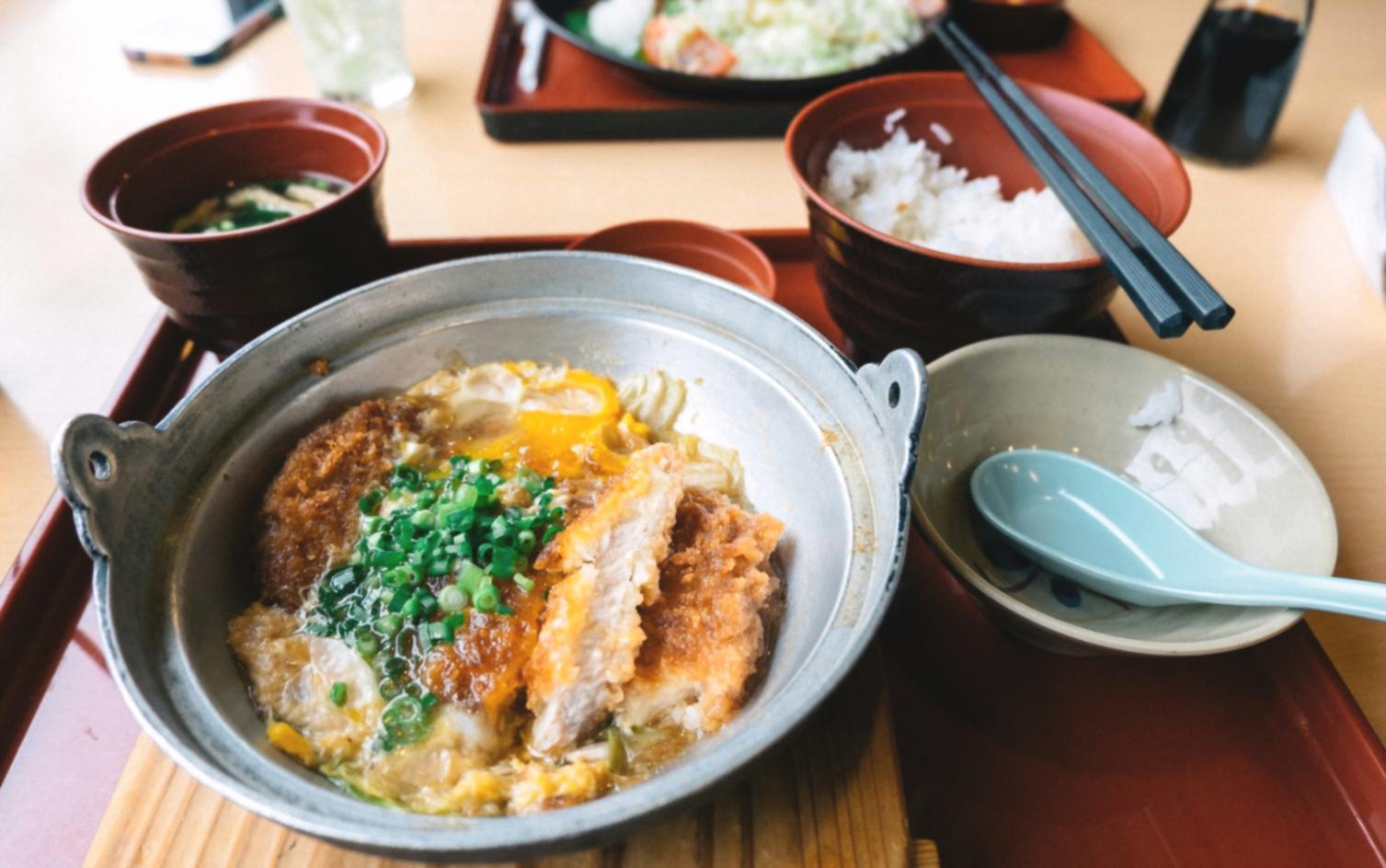
Autumn
Harvest Fundamentals
Root vegetables, squash, and late-season herbs - this module covers how to identify peak-season produce and build meals around what the market actually has. Includes a quiz on flavour pairing and a practical assignment.

Seasonal Cooking - Techservex Hub
Knowing what to cook matters less than knowing when to cook it.
Techservex Hub brings together cooks from every continent in one shared learning environment. The programme covers how seasonal rhythms shape flavour - from crust pizza dough that responds to humidity, to fermented vegetables that need the right winter temperature. Interactive quizzes, real assignments, and immediate feedback keep the learning grounded in your actual kitchen.
Who delivers this
Brigitte Ó Murchú
Lead Instructor - Seasonal Techniques
The instructors here have cooked professionally across four continents - and they bring that range into every module.
Brigitte spent nine years running a produce-driven restaurant kitchen in Cork before moving into food education. Her approach to crust pizza, for instance, starts not with the recipe but with the flour harvest season - a detail most online courses skip entirely. Alongside her, Reuben Mäkinen covers fermentation and preservation, drawing on a background that spans Nordic preservation traditions and Southeast Asian pickling methods. Neither of them teaches from a textbook.
The team was assembled when Techservex Hub launched in 2022 with a clear brief: find people who had done the work, not just studied it. Each instructor has a specific area where their experience is deep enough to answer questions that go beyond the curriculum.
14
Countries represented in the instructor team
244
Learner reviews submitted to date
A selection of what is here
Each module runs independently - you can start anywhere based on what is currently in season where you live. The quizzes at the end of each unit give you instant feedback on what landed and what still needs work. Pizza delivery timing, crust pizza fermentation windows, and produce calendars all feature across the four units. This is a curated selection, not the full catalogue - the complete programme is on the dedicated page.
Autumn
Root vegetables, squash, and late-season herbs - this module covers how to identify peak-season produce and build meals around what the market actually has. Includes a quiz on flavour pairing and a practical assignment.
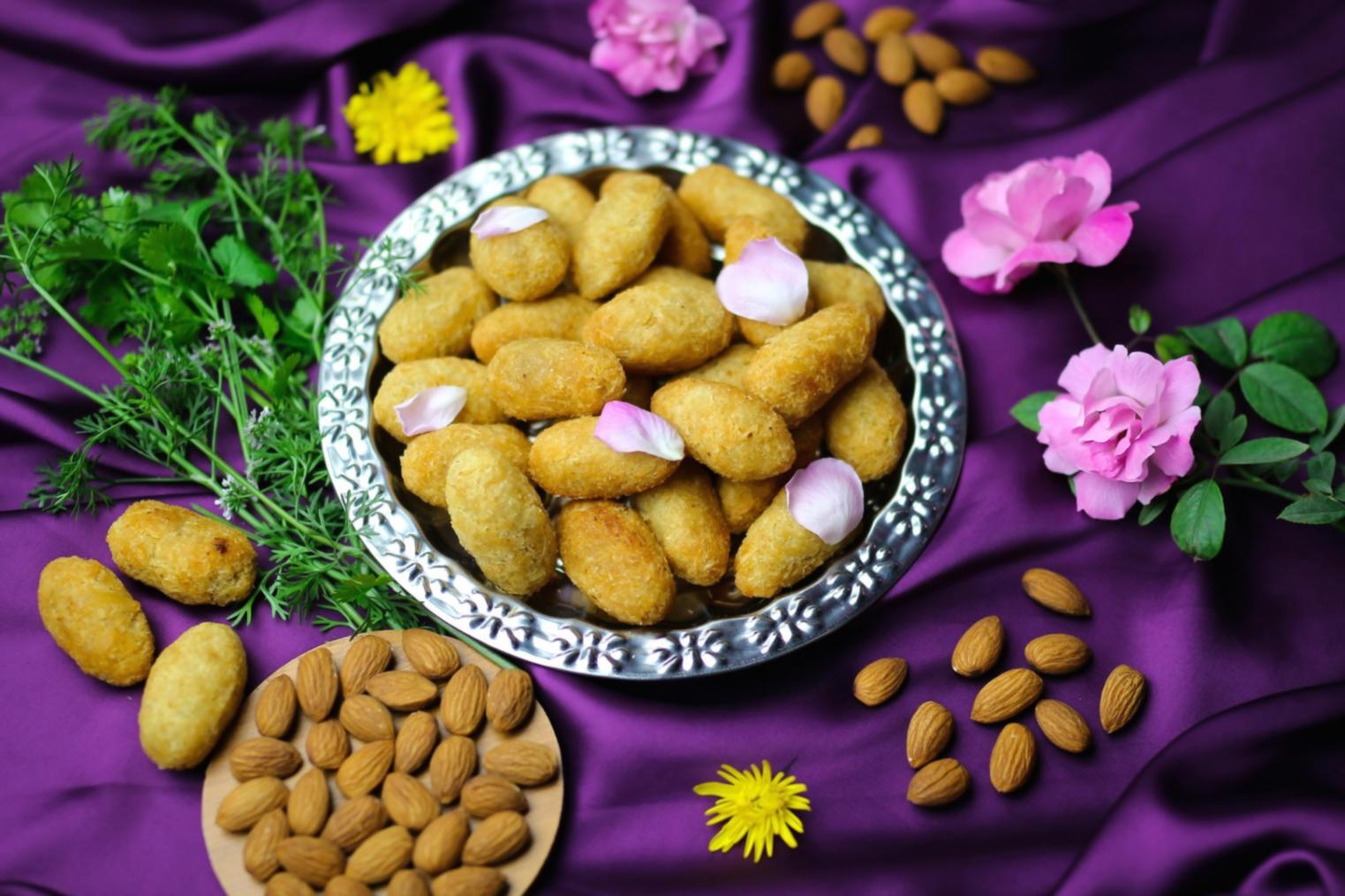
Winter
Cold months favour long processes - braises, ferments, and cured preparations. This unit covers the science behind why winter fermentation behaves differently, with specific notes on crust pizza dough management in low-humidity kitchens.
A certificate is one outcome. The more durable one is a different way of reading a kitchen - and that takes time to build.
Seasonal cooking knowledge does not expire with the module. Someone who understands why a crust pizza behaves differently in summer humidity versus a dry winter kitchen can adapt that reasoning to any bread-based preparation. The same logic applies to fermentation timing, stock reduction, and ingredient substitution when a specific item is out of season.
The quizzes and assignments are designed to surface gaps early - not to test memory, but to show where reasoning breaks down. Learners who work through the full programme report that they stop following recipes mechanically and start making decisions based on what is in front of them.
Adaptive reasoning
Understanding the why behind seasonal choices means you can adjust when ingredients change - no recipe required.
Cross-cultural application
Techniques learned here apply across regional cuisines - the seasonal logic holds whether you are cooking in Auckland or Oslo.
These are not guarantees - they are patterns that show up consistently when people complete the full programme and continue cooking regularly.
Produce literacy
Reading what is at peak versus what is out of season - and adjusting a dish accordingly rather than following a fixed shopping list.
Reduced food waste
Knowing preservation and fermentation windows means less produce goes unused - a practical outcome that compounds over months.
Confident improvisation
From pizza delivery timing to last-minute substitutions - the ability to make sound decisions without a recipe nearby.
Full module list, instructor bios, and enrolment details on the programme page.